
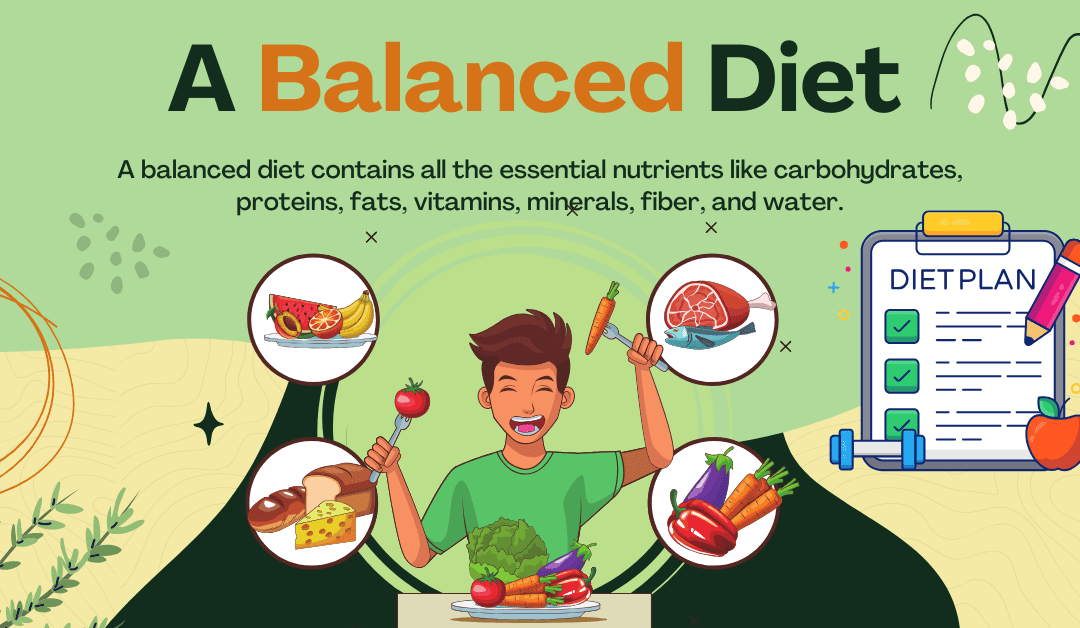
“Eating well is an art, your plate is a canvas”
when I read this line I realized that Of course, it can be said that whatever you fill one’s plate with is an art-to nourish the body, mind, and soul. A balanced diet indeed forms a basis for life health, and its pretty simple, contrary to what is said. The most simple concept will help you assemble the daily beauty on your plate.
What is a Balanced Diet
Creating a balanced diet is one of the necessary things to remain healthy physically, and maintaining shape keep the body in a good condition. This is more like giving the body an exact mix of nutrients for the best performance anywhere. If you are looking for what a balanced diet should contain you must add the colling to have a balanced diet.
Carbohydrates: serve as the primary energy source for the body. These are carbohydrates converted for energy derived from rice, bread, potatoes, and fuel for active daily activities and energy maintenance.
Proteins: Muscle repair and growth require proteins. Found in lentils, eggs, fish, and chicken.
Fats: Healthy fats help the brain and energy. Have nuts, seeds, and avocado.
Vitamins and minerals: Increases immunity and maintains body function. Fruits, vegetables, and dairy provide all of these.
Fiber: Keeps your digestive system happy. Found in whole grains, fruits, and vegetables.
Water: do you know water is a Magic drink-it keeps everything flowing? Hydration is key for overall health. You must drink 8 glasses of water every day.(you can increase on the basis of your physical work.
- A balanced diet is a matter of obtaining the proper doses of those nutrients within each day. It should feed the body but should not overdose one’s intake of any food type.
Importance of a Balanced Diet:
This is where your body becomes a whole bunch of superheroes. A nutrient will ensure that all these aspects are dealt with: energy, concentration, and health. Without the right balance:
- You can feel tired or a bit heavy.
- Your immunity can get weak, which makes you more prone to diseases.
- Your mental alertness will start going down, leading to reduced productivity.
- You start developing long-term health problems, such as diabetes, heart problems, or obesity.
A balanced diet will prevent such things happening while ensuring that you always remain at your best. It boosts children’s growth and enhances energy levels.
How to Build a Balanced Plate
1. The Perfect Portion
Divide your plate like this:
Half Plate: Vegetables and fruits. The more colorful, the better. Each color represents different nutrients.
Quarter Plate: Protein like lentils, eggs, paneer, or lean meat.
Quarter Plate: Whole grains like rice, roti, quinoa, or oats.
2. Add a Splash of Healthy Fats
Use olive oil, nuts, seeds, or avocado. These add flavor and good fats to your meals without adding unhealthy calories.
3. Don’t Forget the Dairy
Include milk, yogurt, or cheese for calcium and protein. For lactose-intolerant people, plant-based options like almond milk or fortified soy milk work well.
4. Stay Hydrated
Drink plenty of water throughout the day. Add natural flavors like lemon, mint, or cucumber if plain water feels boring.
The Food Pyramid: A Visual Guide to Balanced Eating
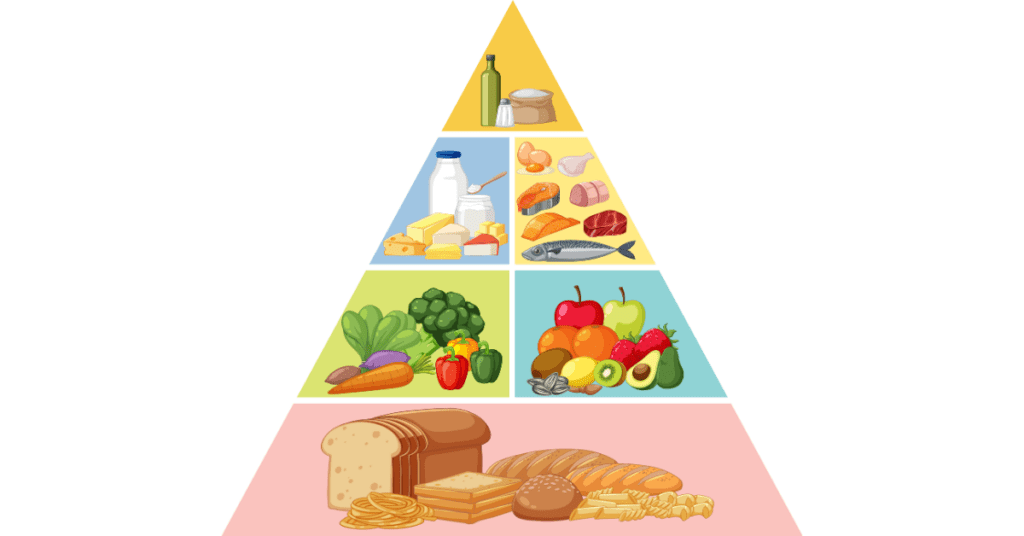
The food pyramid is a simple, visual representation of a balanced diet. It helps you understand the ideal proportions of different food groups in your daily meals. At the base of the pyramid are carbohydrates, which include whole grains, rice, and bread, providing the main source of energy. Above that, the vegetables and fruits layer provides essential vitamins, minerals, and fiber to keep the body functioning smoothly. The next layer includes proteins (like lentils, eggs, fish) and dairy (milk, yogurt), which are vital for muscle repair and growth. At the top are healthy fats (nuts, seeds, avocados), which should be consumed in moderation for overall body health. By following this pyramid, you can ensure a well-rounded, balanced diet that supports both physical and mental well-being.
Perfect food combination
Spinach and banana: Loaded with iron, vitamins, and antioxidants. This stuff is perfect for salads or smoothies.
Nuts and Seeds: Rich in healthy fats, protein, and fiber. They make a great snack or can be used to top off dishes.
Blueberries: These tiny berries pack mighty antioxidants. They promote brain health and can even help prevent aging.
Yogurt: Good for your gut, and full of probiotics too.
Turmeric: Nature’s anti-inflammatory. Add it to something like milk or in curries do not water down its potential usefulness needlessly.
Legumes: Lentils, chickpeas, and beans are good sources of fiber and protein.
Common Myths About Balancing Health Diets
Myth 1: Eating Healthy is Costly
Reality: The local, seasonal fruits and vegetables all adults love are more than enough to support a healthy diet. Plan your meals so as to make better use of everything, and save yourself money in food costs.
Myth 2: Carbs Are Bad
Reality: Food whole grains like brown rice oats or millet will give you energy all day long without the dipping and spiking in between meals from refined sugars and simple carbohydrates. Do not eat. Avoid refined carbohydrates such as white bread and sugar.
Myth 3: Fats Gain You
Reality: Good fats like those in nuts or seeds and avocados are by all means necessary to your body. What you want, however, is to stay away from trans fats that are found in junk foods for snacks otherwise it will go wrong with the whole formula.
Myth 4: Skipping Meals is Good for Health
Reality: A steady flow of energy and metabolism comes about due to regular balanced meals; whenever you skip one meal then the next meal what follows winds up being oversized and unbalancing.
How to Maintain a Balanced Diet?
Plan Your Meals: Prepare a weekly menu. It saves time, ensures variety and prevents unhealthy last-minute choices.
Portion Control: Overeating, even healthy foods, will cause you gain weight. Serve yourself smaller plates and skip the second serving.
Snack Smartly: Replace chips and cookies with roasted chickpeas, nuts or fresh fruits. They are hearty and well-balanced.
Listen to Your Body: Eat when you’re hungry and stop when you’re satiated. Mindful eating is essential to keep your weight in shape.
Experiment with Recipes: Just because something is healthy doesn’t mean it’s boring. Experiment with new cuisines, spices ,and cooking methods to make meals interesting.
Read Food Labels: Know what you’re taking in. Steer clear of added sugar, sodium or artificial ingredients.
A Sample Balanced Diet Plan
Breakfast
Breakfast may include oatmeal with fruit such as banana or berries and a few nuts. A glass of milk, or plant-based substitute.
Mid-Morning Snack
A small handful of almonds, or a piece of fruit such as an apple or orange.
Lunch
Brown rice or whole-grain roti with dal, a vegetable sabzi, and a bowl of curd. A small salad with cucumber, tomatoe,s and lemon juice.
Evening Snack
A salad of beetroot or cucumber with a squeeze of lemon or roast chickpeas. Herbal tea or coconut water.
Dinner
Whole grain roti with grilled or paneer or fish and steamed veggies.
Dessert: A small piece of dark chocolate or a fruit, such as papaya.
A balanced diet is different needs for everyone
For Kids
Kids require high-energy meals for growth and learning.
Add: Calcium and strong bones — dairy. Nuts and seeds for brain development. Fruits for natural sugars and vitamins.
For Adults
Inspired by energy maintenance and lifestyle disease prevention Include:
Whole grains for sustained energy. We need protein-rich food for muscle preservation. Fiber to keep your digestion regular.
For Seniors
Choose foods that are high in calcium and fiber and are very easy to digest.
Options include: Soups with vegetables or lentils. Soft fruit such as bananas or stewed apples. Fiber from whole grains and leafy greens.
For Fitness Enthusiasts
Increase protein and carbs for workouts and recovery:
- Post-Workout eat Eggs or Protein Shakes Sweet potatoes or quinoa for longer-lasting energy. Creating a Lasting Habit Eating healthy is not a single-time task. Here’s how to make it stick:
- Start Small Make gradual changes. Replace white bread with whole grain, or add one additional vegetable to your meals.
- Celebrate Success Give yourself a healthy snack as a reward for sticking to your plan.
- Involve the Family Having fun cooking and eating along the way is how they all benefit.
- Stay Consistent If you’re busy, still follow your plan. Meal prep, if necessary.
Did you know?
- The color of your fruits and vegetables indicates their nutrient content. For example, orange foods like carrots are high in Vitamin A.
- Nuts daily can lower your risk of heart disease.
- Drinking water before meals can help control your appetite and prevent overeating.
Final Thoughts
A balanced diet is not a matter of perfection. It’s about choosing better more of the time. Remember, eating well is a craft, and one in which you’re the artist. With every meal, you’re painting a picture of health, vitality, and happiness. Embrace ownership of your plate and allow it to represent the canvas of your masterpiece. Get started today — your health deserves the best! So here we are, Let’s make healthy eating a way of life with Aharsathi for a healthier, happier you!
checkout this page also : Food Combination You Must Try This Winter